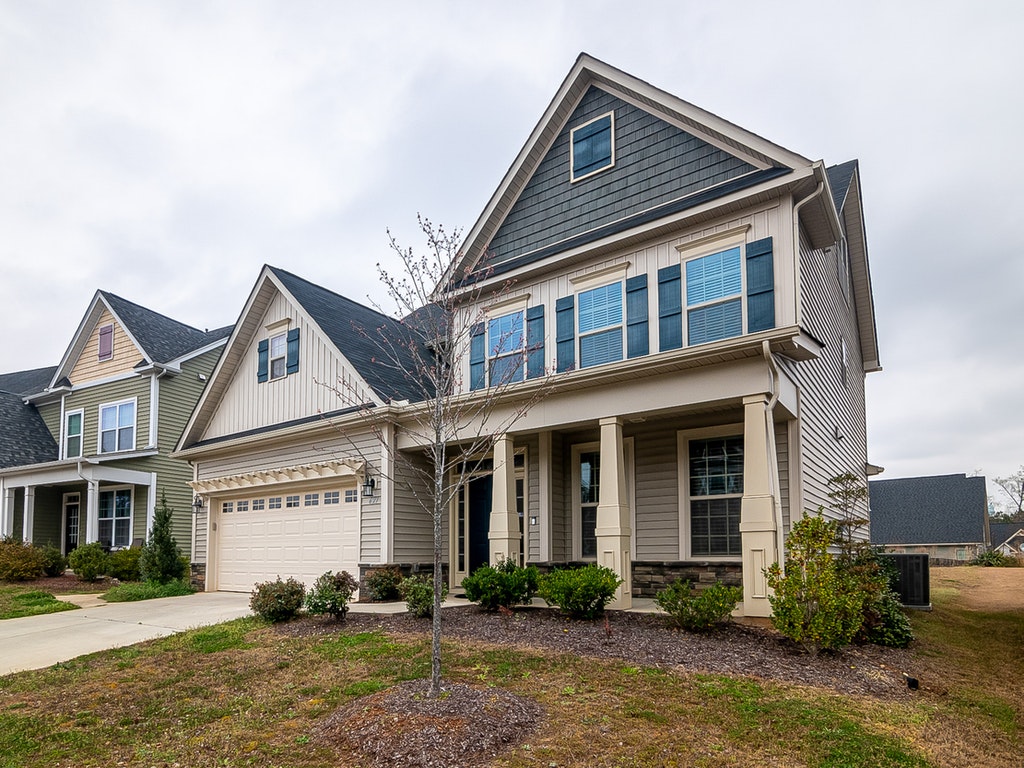
Purchasing a home is a significant milestone in life, and for many, it involves securing a mortgage. A mortgage is a loan designed for purchasing real estate, and it’s crucial to understand its ins and outs before embarking on this financial commitment. In this beginner’s guide to mortgages, we’ll explore the benefits, drawbacks, and alternative options to help you make an informed decision about one of the most significant financial transactions you’ll ever undertake.
Benefits of A Mortgage
Homeownership:
The primary benefit of a mortgage is that it allows you to become a homeowner without having to pay the full purchase price upfront. You can spread the cost over several years while enjoying the benefits of homeownership, including building equity and stability.
Fixed Interest Rates:
Many mortgages offer fixed interest rates, which means your monthly payments remain consistent throughout the loan term. This predictability can make it easier to budget and plan for other financial goals.
Tax Deductions:
Mortgage interest payments may be tax-deductible, potentially reducing your taxable income and providing additional financial relief.
Leverage:
Real estate has historically been a valuable investment. With a mortgage, you can leverage your funds to invest in a property that has the potential to appreciate in value over time.
Drawbacks of A Mortgage
Interest Costs:
Over the life of the loan, you’ll pay interest in addition to the principal amount borrowed. This can significantly increase the total cost of the home.
Monthly Obligations:
Monthly mortgage payments become a recurring financial commitment that needs to be prioritized. Failing to make payments on time leads to serious consequences, including foreclosure.
Loan Qualification:
Securing a mortgage requires meeting certain criteria, including credit score, income, and debt-to-income ratio. This can make it challenging for some individuals to qualify for a loan.
Alternative Options
Renting:
If you’re not ready for the responsibilities of homeownership, renting is a viable option. Renting provides flexibility and doesn’t require a long-term financial commitment.
Rent-To-Own:
This arrangement allows you to rent a property with the option to purchase it at a predetermined price at the end of the lease term. It can be a way to ease into homeownership.
Savings:
Instead of taking on a mortgage, you can save money until you can afford to purchase a home outright. While this may take longer, it eliminates the need for borrowing and interest payments.
Shared Ownership:
Some programs and agreements allow you to co-own a property with a partner or organization. This can reduce your upfront costs and provide an alternative to traditional mortgages.