Proper eye care, essential for maintaining eye health and functionality, involves adopting habits that support long-term well-being. This article provides a comprehensive set of do’s and don’ts for effective eye care, offering insights into practices that can safeguard vision and prevent potential issues.
Do’s:
Scheduling Regular Eye Exams:
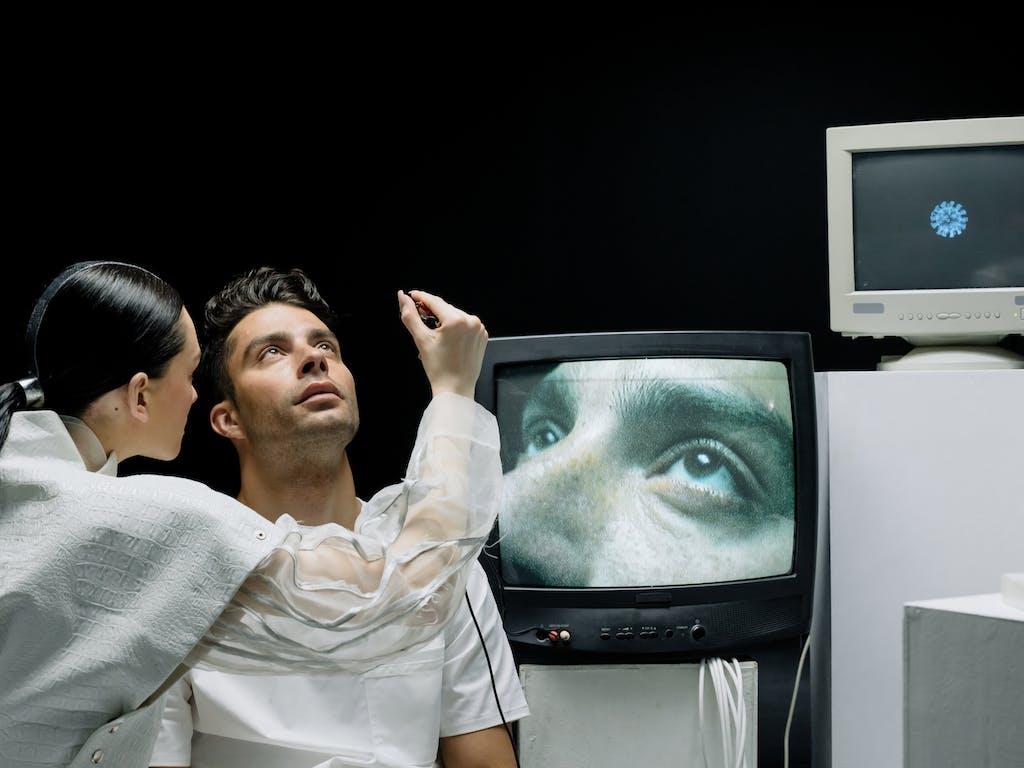
Regular eye exams are emphasized for maintaining healthy vision, as they can detect potential issues such as glaucoma, cataracts, and macular degeneration in their early stages when treatment is most effective.
Following a Nutrient-Rich Diet:
A diet rich in nutrients like vitamins A, C, E, zinc, and omega-3 fatty acids is highlighted as beneficial for optimal eye health. Including foods such as leafy greens, citrus fruits, fish, nuts, and colorful vegetables is recommended to provide essential vitamins and antioxidants that benefit the eyes.
Practicing Good Hygiene with Contact Lenses:
Those who wear contact lenses are reminded of the importance of practicing proper hygiene. This includes thorough hand washing before handling lenses, following recommended cleaning and disinfection routines, and adhering to prescribed wearing schedules. Wearing lenses longer than advised and replacing them as recommended by an eye care professional should be avoided.
Protecting the Eyes from UV Rays:
Wearing sunglasses that block 100% of UVA and UVB rays is encouraged to shield the eyes from harmful ultraviolet radiation. Prolonged exposure to UV rays is noted as a risk factor for conditions such as cataracts, macular degeneration, and other eye issues. Investing in quality sunglasses offering UV protection and wearing wide-brimmed hats for added defense against the sun’s rays is recommended.
Don’ts:
Rubbing the Eyes Vigorously:
The article cautions against rubbing the eyes aggressively, as it can cause irritation and damage to the delicate eye tissues. Additionally, it may introduce dirt and debris into the eyes, increasing the risk of infection. In case of itchiness or irritation, the use of a clean, damp cloth to gently pat the area is suggested.
Using Expired Eye Makeup or Cosmetics:
Using expired eye makeup and cosmetics is discouraged due to the potential for harboring bacteria and other pathogens that can lead to eye infections. Regularly replacing mascara, eyeliner, and other eye products is advised, and sharing makeup with others should be avoided to prevent the spread of germs.
Ignoring Changes in Vision:
The article emphasizes the importance of not ignoring changes in vision, such as blurriness, double vision, or sudden flashes of light. These changes could be indicative of underlying eye conditions that require prompt attention. Individuals experiencing any unusual symptoms are encouraged to consult an eye care professional for a thorough evaluation.
Smoking or Exposing the Eyes to Secondhand Smoke:
Smoking is discouraged due to its detrimental effects on eye health, including an increased risk of cataracts, macular degeneration, and dry eye syndrome. Quitting smoking is recommended for positive effects on both eye health and overall well-being. Additionally, avoiding exposure to secondhand smoke is advised, as it can also have negative impacts on the eyes.