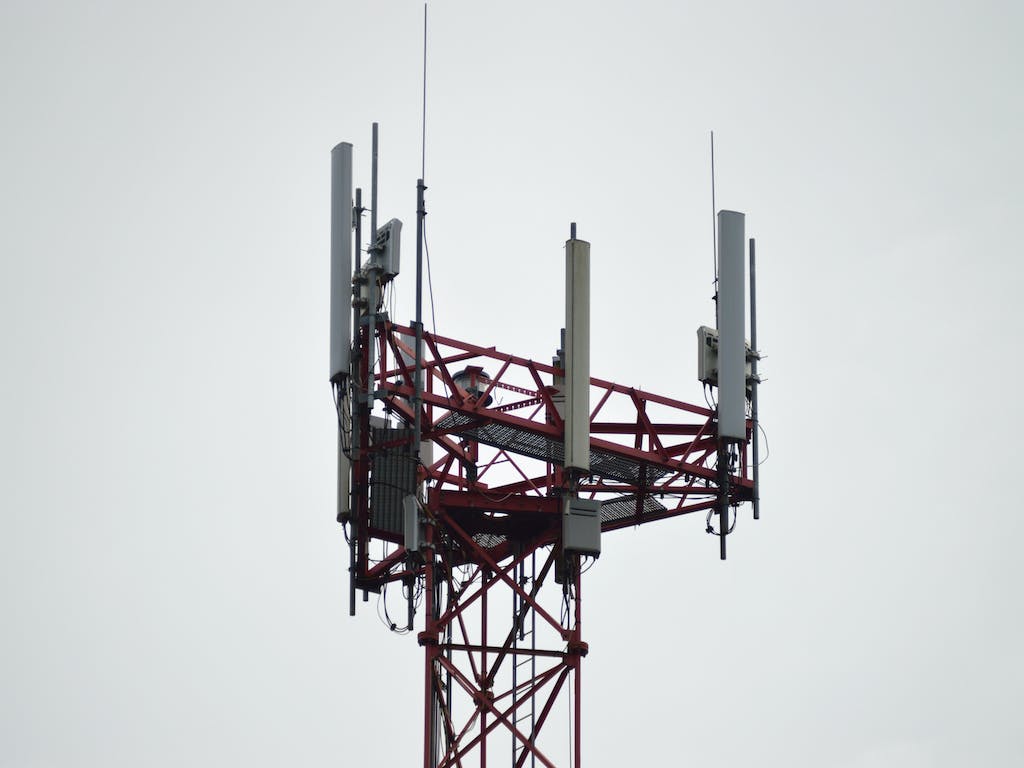
The advent of 5G technology is poised to revolutionize the way we interact with the digital world. With its lightning-fast speeds, reduced latency, and higher capacity, 5G holds the promise of transforming industries and enabling innovative applications that were once thought to be in the realm of science fiction. In this article, we’ll delve into some of the most exciting applications of 5G technology that are set to reshape our lives and the way we connect, communicate, and experience the digital age.
Enhanced Mobile Connectivity:
5G’s primary goal is to provide faster and more reliable mobile connectivity. With speeds up to 100 times faster than the previous 4G, 5G networks enable smoother streaming, quick downloads, and seamless browsing, improving our overall mobile experience.
Internet of Things (IoT) Expansion:
5G’s low latency and high capacity make it ideal for supporting a massive number of connected devices in the Internet of Things ecosystem. From smart homes and cities to wearables and industrial sensors, 5G can enable real-time data transmission, leading to more efficient and interconnected systems.
Autonomous Vehicles:
5G’s ultra-low latency is a game-changer for autonomous vehicles. These vehicles require split-second communication to navigate and interact with their surroundings. 5G’s capabilities can enhance safety by enabling faster communication between vehicles and infrastructure.
Telemedicine and Remote Surgery:
5G’s high-speed, low-latency connection opens the door to advanced telemedicine applications. Surgeons can perform surgeries remotely with minimal delay, using haptic feedback and precise control, while patients in remote areas can access expert medical care through virtual consultations.
Augmented and Virtual Reality:
5G can transform the way we experience augmented reality (AR) and virtual reality (VR). It allows for seamless streaming of high-definition content and real-time interactions, creating immersive experiences in gaming, entertainment, education, and even remote collaboration.
Smart Cities and Infrastructure:
5G technology can help cities become smarter and more efficient by enabling real-time data collection and analysis. This paves the way for smart traffic management, waste management, energy consumption optimization, and improved public safety.
Industrial Automation and Robotics:
5G can enhance industrial automation by enabling real-time communication between robots, machines, and sensors. This leads to reduced downtime, increased efficiency, and safer working conditions in manufacturing and other industries.
Edge Computing:
5G can work hand-in-hand with edge computing. This enables faster data processing and reduces the need for data to travel back and forth to remote data centers, improving response times for critical applications.