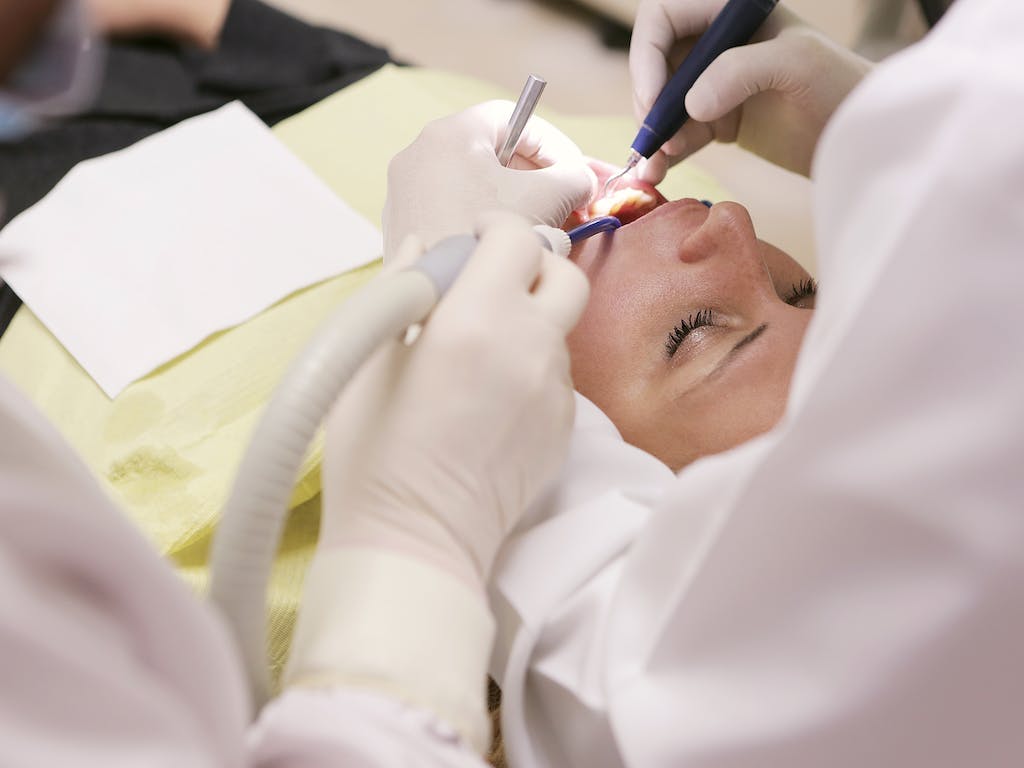
When it comes to maintaining good oral health, managing dental care costs can sometimes pose a challenge for individuals. However, there are several practical approaches they can take to keep dental expenses in check without compromising the quality of care they receive. From exploring various coverage options to tapping into community resources, these frugal tips are designed to help individuals navigate the world of dental care costs while prioritizing their well-being.
Selecting the Right Medicare Advantage Plan
While original Medicare and Medigap plans generally do not cover dental expenses, many Medicare Advantage plans offer dental coverage. Benefits vary, with some plans covering preventive services like cleanings, exams, and X-rays, while others contribute to more extensive procedures such as crowns, bridges, and root canals.
Communicating Financial Constraints
When facing costly dental treatments, individuals can discuss their financial challenges with their dentist. According to Ruchi Sahota, a dentist and spokesperson for the American Dental Association in Fremont, California, “Talking to the dentist about potential barriers is a wise move.” Dentists may propose more affordable alternatives or suggest delaying procedures until individuals can afford them. Many dentists are open to setting up payment plans, and some even offer a 10-15% discount for upfront check payments.
Exploring Dental School Clinics
Supervised by licensed dentists, dental students gain hands-on experience at dental school clinics, providing cost-effective care. Sharona Hoffman, co-director of the Law-Medicine Center at Case Western Reserve University, notes that though performed by students, the care is well supervised. However, it may be time-consuming.
Utilizing Dental Hygienists
In numerous states, dental hygienists can provide treatments without a dentist’s direct authorization. They can perform cleanings, exams, X-rays, sealants, and fluoride treatments at a lower cost than dentists, leading to substantial savings.
Accessing Free or Low-Cost Dental Services
Nonprofits and government-funded health clinics often offer dental services at reduced or no cost, particularly for low-income individuals. While these services are in high demand, they can be worth the wait. Some dentists also provide free or discounted care a few days each month. Local health departments and the United Way can connect individuals to available programs.
Researching Stand-Alone Dental Plans
If Medicare or private health plans lack dental coverage, individuals can consider stand-alone dental plans. They can compare prices and coverage on eHealthInsurance.com, an insurance marketplace. In 2022, individual dental plan premiums ranged from $25 to $50 per month, with deductibles between $50 and $100 and annual maximum benefits of $1,000 to $1,500. Taking proactive steps and exploring various options can help individuals manage dental care costs more effectively.