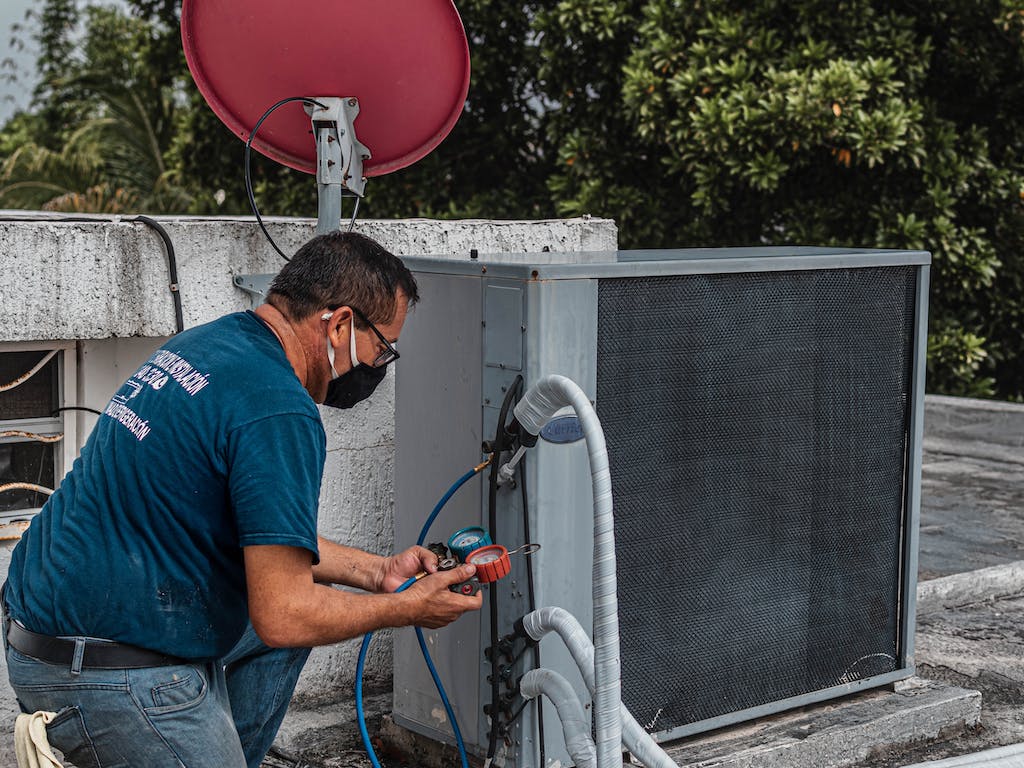
A Heating, Ventilation, and Air Conditioning system plays a crucial role in maintaining indoor comfort and air quality. Understanding the basics of HVAC is essential for homeowners and beginners in the field. Let’s delve into the key aspects of HVAC systems, their functions in high-rise buildings, factors influencing costs, and the various types available.
What is an HVAC System?
HVAC refers to the technology used for indoor environmental comfort. It encompasses heating, which provides warmth during colder months, ventilation to ensure proper air circulation, and air conditioning for cooling during hot weather. HVAC systems maintain temperature, humidity, and air quality, creating a comfortable living or working environment.
How Does HVAC Work in High-Rise Buildings?
In high-rise buildings, HVAC systems face unique challenges due to varying factors like height, solar exposure, and ventilation requirements. Centralized HVAC systems are common, utilizing large units to heat or cool air that is distributed throughout the building via ductwork. Proper design and engineering are essential to ensure even temperature distribution and energy efficiency across different floors.
Factors Affecting the Cost of a New HVAC System
The cost of a new HVAC system depends on factors such as the system type, capacity, energy efficiency, and installation complexity. High-efficiency systems may have higher upfront costs but offer long-term energy savings. The size of the property, ductwork requirements, and existing infrastructure also influence costs. Proper sizing and professional installation are crucial to maximize efficiency and minimize operating expenses.
What Are the Different Types of HVAC Systems?
There are various HVAC system types to suit different needs:
– Split System: Common in residential settings, it consists of indoor and outdoor units. The indoor unit contains the evaporator coil and blower, while the outdoor unit has the compressor and condenser coil.
– Packaged System: All components are housed in a single unit, usually installed on rooftops. Suitable for commercial spaces and smaller homes.
– Ductless Mini-Split: Ideal for spaces without ductwork, it has an outdoor unit connected to indoor units mounted on walls or ceilings.
– Geothermal System: Utilizes the earth’s constant temperature for heating and cooling, offering high energy efficiency.
– Hybrid System: These systems combine a heat pump with a gas furnace, switching between the two based on efficiency and outdoor temperature.
– Window Units: Portable or window-mounted units suitable for smaller spaces.
Understanding HVAC basics is crucial for effective system maintenance, efficient energy use, and making informed decisions when purchasing or upgrading systems. As technology evolves, HVAC systems continue to enhance comfort while focusing on energy efficiency and environmental sustainability.