Used vehicles offer a cost-effective way to own a car, but they may come with their fair share of maintenance and repair needs. Whether you’re a first-time used car owner or looking to extend the lifespan of your existing vehicle, understanding the ins and outs of repairing used vehicles is essential. In this guide, we’ll provide you with valuable insights and strategies to navigate the world of used car repairs and make informed decisions.
Thorough Inspection:
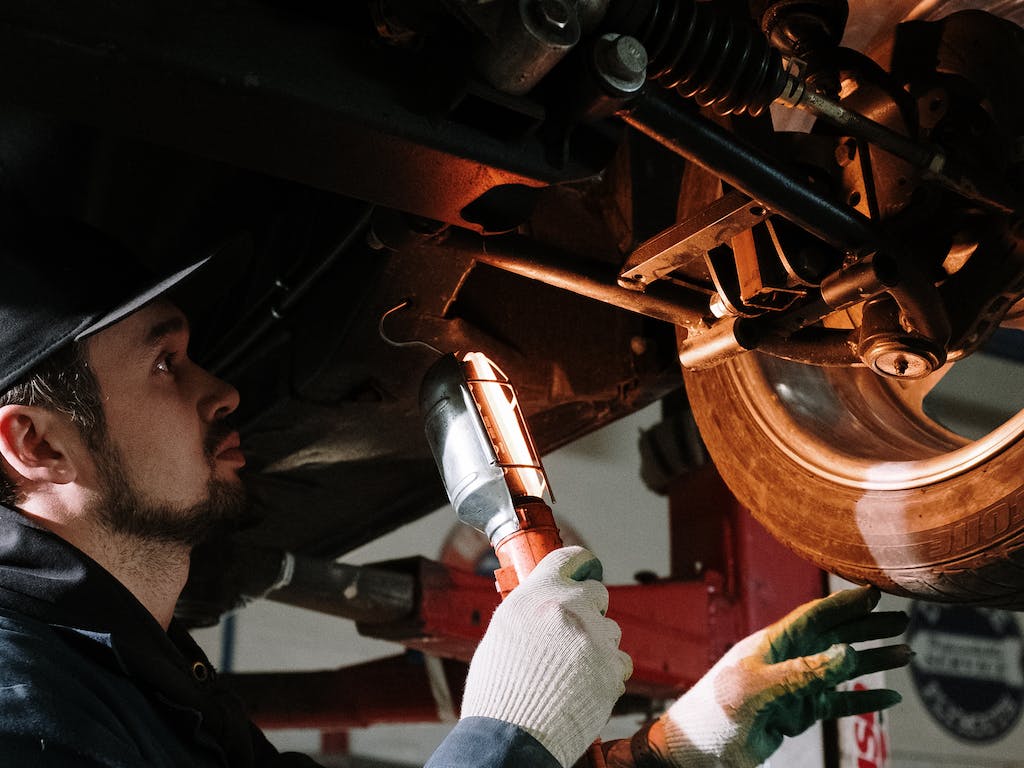
Before purchasing a used vehicle, conduct a thorough inspection or have a trusted mechanic do it for you. Look for wear and tear, rust, leaks, and any potential issues that may require immediate attention. This initial assessment will give you a clear picture of the repairs needed.
Prioritize Safety Repairs:
Safety should be your top priority. Address any issues related to brakes, tires, steering, suspension, and lights first. Ensuring your vehicle is safe to drive not only protects you and your passengers but also prevents further damage to the vehicle.
Regular Maintenance:
Regular maintenance prevents major issues and extends the life of your used vehicle. Follow the manufacturer’s recommended maintenance schedule for oil changes, fluid checks, filter replacements, and more.
DIY vs. Professional Repairs:
While some repairs can be tackled with basic DIY skills, others require professional expertise. Simple tasks like changing wiper blades or replacing air filters can often be done at home, but complex issues such as engine problems or electrical malfunctions are best left to experienced mechanics.
Use Quality Parts:
When replacing parts, opt for high-quality OEM (Original Equipment Manufacturer) parts or reputable aftermarket alternatives. Using subpar parts may save you money upfront, but they can lead to subpar performance and further issues down the line.
Shop Around for Quotes:
If you’re taking your vehicle to a mechanic for repairs, don’t hesitate to get multiple quotes. Prices can vary between repair shops, so comparing quotes can help you find the best deal without compromising on quality.
Consider Warranty and Extended Coverage:
Some used vehicles may still be under warranty, so check whether the repairs you need are covered. Additionally, consider purchasing extended coverage or vehicle service contracts to offset potential repair costs in the future.
Address Small Issues Promptly:
Minor issues, if ignored, can escalate into major problems over time. Address small issues promptly to prevent them from becoming more costly repairs. Regularly inspect your vehicle for unusual noises, vibrations, or warning lights.